Elon Musk Seeks Significant Damages from OpenAI and Microsoft
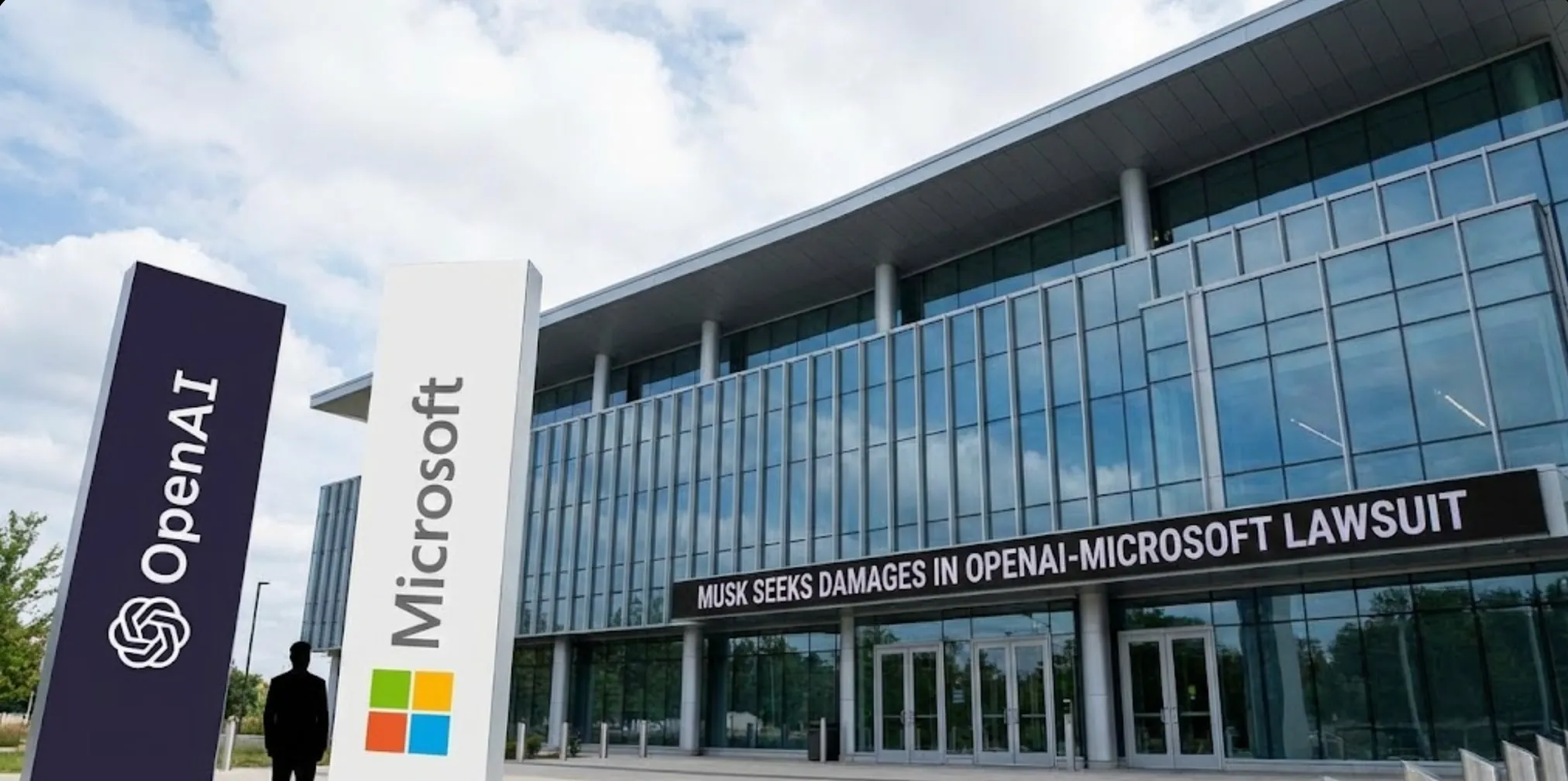
Elon Musk is pursuing between $79 billion and $134 billion in damages from OpenAI and Microsoft, alleging that they have gained financially from his early contributions to the AI startup. According to a court filing, Musk argues he is entitled to these "wrongful gains". The case is headed to a jury trial in late April after a federal judge rejected attempts by OpenAI and Microsoft to dismiss the lawsuit.
Background of the Lawsuit
Musk's lawsuit claims that OpenAI violated its founding mission by transitioning to a for-profit model. He alleges that OpenAI's leadership made false assurances about maintaining its non-profit structure. Musk contends he contributed approximately $38 million, which was 60% of OpenAI's early funding. He also claims to have provided strategic guidance and credibility to the organization.
Musk left OpenAI's board in 2018 and subsequently launched his own AI company, xAI, in 2023. xAI created the Grok chatbot, a competitor to OpenAI's ChatGPT.
Damages Claim
Musk's claim for damages is based on the argument that OpenAI and Microsoft have reaped substantial benefits from his initial contributions. According to the court filing, OpenAI gained between $65.5 billion and $109.4 billion from Musk's contributions, while Microsoft gained between $13.3 billion and $25.1 billion. These figures were calculated by a financial economist, C. Paul Wazzan, who served as an expert witness. The calculations considered Musk's financial and non-monetary contributions, including advice.
Musk's legal team argues that these gains far exceed his initial investment, similar to an early investor realizing exponential returns. Musk may also seek punitive damages and an injunction.
OpenAI's Response
OpenAI has dismissed Musk's lawsuit as baseless and part of a harassment campaign. The company maintains that Musk's claims are an attempt to slow down a competitor, referring to his AI firm, xAI. OpenAI stated that Musk initially supported a for-profit structure but left after disagreements over control. They claim Musk wanted majority ownership and full operational control, including merging OpenAI into Tesla.
OpenAI also argues that Musk misrepresented internal records and selectively used internal documents.
Judge's Ruling
A federal judge in Oakland, California, has ruled that a jury will hear the trial, which is expected to start in April. The judge rejected efforts by OpenAI and Microsoft to avoid a jury trial. U.S. District Judge Yvonne Gonzalez Rogers stated that there was sufficient evidence to support Musk's claims that OpenAI's leaders made assurances about maintaining its non-profit structure. The judge also rejected OpenAI's argument that Musk lacked legal standing to sue because he donated through an intermediary.
Conclusion
Elon Musk is seeking substantial damages from OpenAI and Microsoft, alleging that they profited from his early contributions and violated OpenAI's original non-profit mission. A jury trial is set to take place in late April to resolve these claims. OpenAI denies the allegations, calling the lawsuit baseless and an attempt to impede competition.