Kashmir Medical College Closure Following Protests
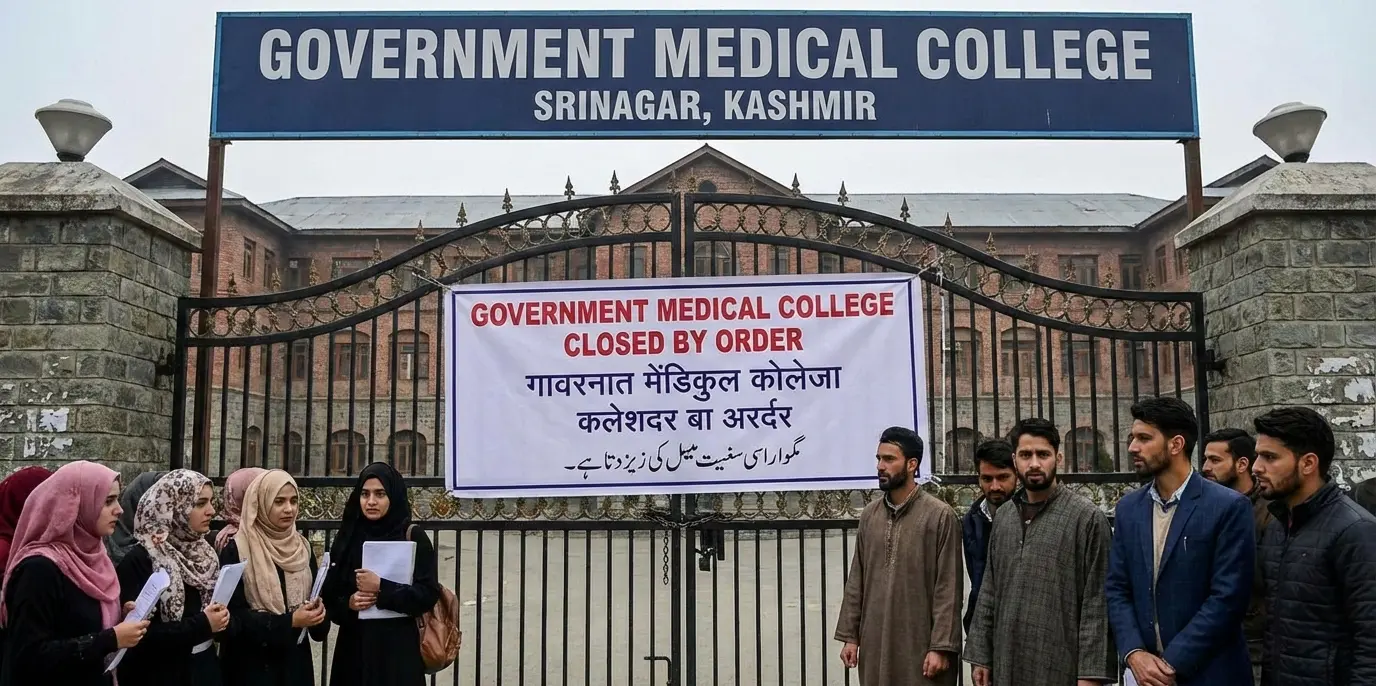
The Shri Mata Vaishno Devi Medical Institute (SMVDMI) in Indian-administered Kashmir has been shut down following protests by right-wing Hindu groups. The protests were sparked by the admission of a high number of Muslim students to the college's MBBS program.
The National Medical Commission (NMC), the regulatory body for medical education in India, revoked the recognition of SMVDMI on January 6, 2026. The stated reason for the closure was deficiencies in infrastructure and faculty, including shortfalls in the library, hospital, and operating theatre.
Controversy Over Admissions
The controversy began after the college's first MBBS batch admitted 42 Muslim students out of 50. Hindu groups protested, arguing that since the college was funded by donations to the Mata Vaishno Devi Temple, Muslim students should not benefit or should not have been admitted in such high numbers. Some Hindu groups insisted that Muslims shouldn't benefit from institutions funded by Hindu charities.
Differing Perspectives
Some political leaders and parents have stated that the college was well-equipped with adequate faculty and resources. Critics have questioned whether the closure was truly due to deficiencies or due to the merit-based outcome of admissions, which resulted in a majority of Muslim students. Some suggest the closure reflects a communalization of educational access.
Other leaders condemned the Bharatiya Janata Party (BJP) and allied Hindu groups for targeting Muslim students and jeopardizing their education. It was also noted that the college had received significant government funding, making all Kashmiris stakeholders.
Student Placement
Authorities have assured that the 50 students affected by the closure will be offered admissions to other colleges in the region.
Conclusion
The closure of the Shri Mata Vaishno Devi Medical Institute in Kashmir has stirred controversy, with right-wing Hindu groups protesting the high number of Muslim students admitted. While authorities cite infrastructure deficiencies as the reason for the closure, critics suggest that the merit-based admissions outcome and political pressures played a role. The affected students will be accommodated in other medical colleges.